
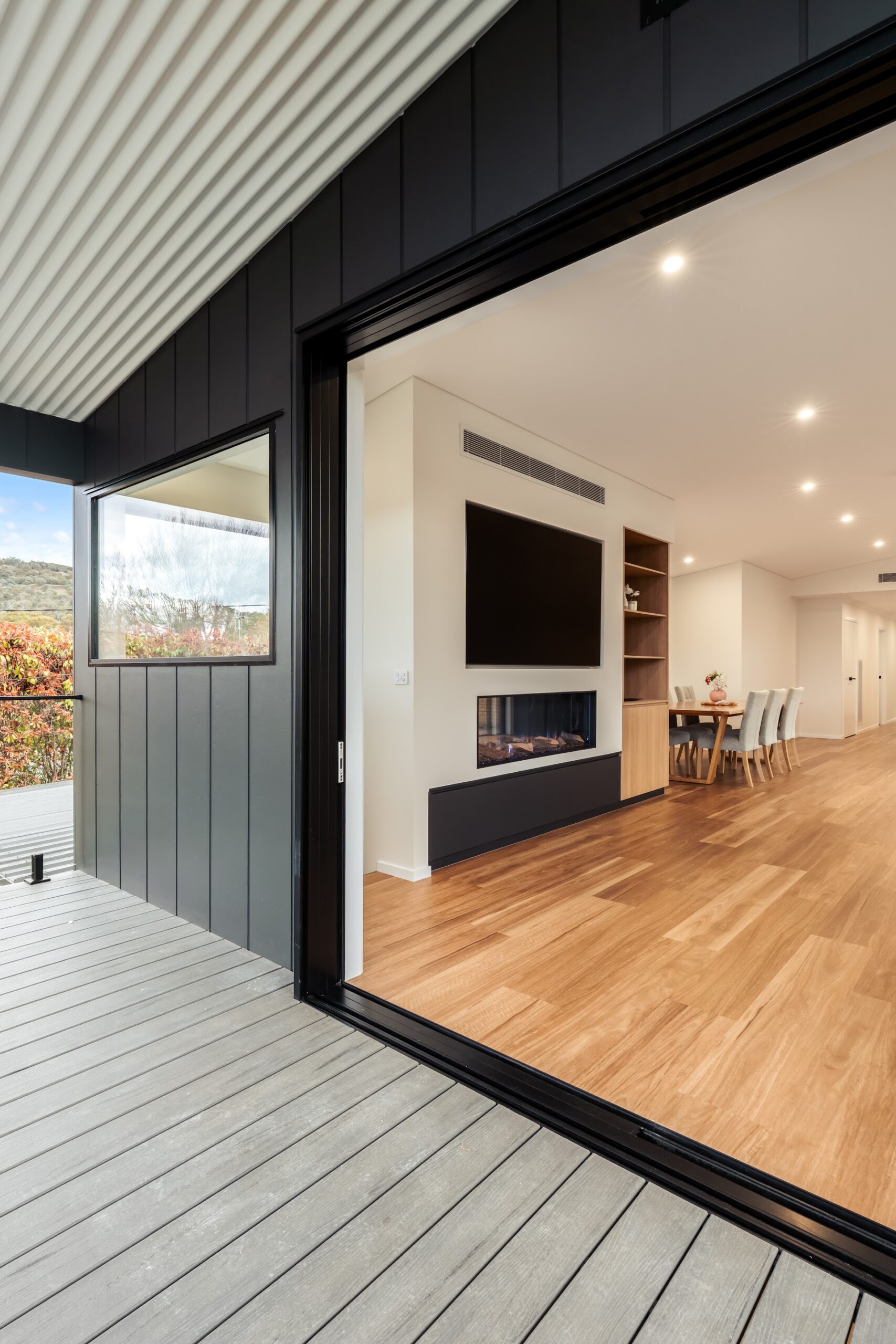
If you have been reading about blowing-out build times, you are right to pay attention. The good news is that the single biggest lever for a faster, smoother build is one you control, and it costs you nothing to pull.
Across Australia the time to finish a new house has climbed sharply. National figures show the average build stretched from around 6.6 months in late 2019 to close to 9.9 months by mid 2024, a jump of roughly 50 per cent. Canberra is not immune, and in some ways the ACT market piles on pressures the national numbers do not capture.
What is actually slowing things down
A construction boom left a large backlog of homes still under way, at a time when the industry was already short on skilled trades and dealing with rising material costs. Nationally, build costs rose about 6.7 per cent a year over recent years, and trade vacancies stayed stubbornly high.
Locally there are three pressures worth understanding:
- Ambitious housing targets. The ACT is pushing to deliver tens of thousands of new homes this decade, and much of that land is not shovel-ready, which creates delays before a slab is even poured.
- Skilled labour is stretched thin. Low unemployment and strong demand mean good trades are in short supply and in high demand, so scheduling them takes planning.
- Regulatory complexity. Local planning approvals can be a real bottleneck, and ACT-specific requirements like the Lease Variation Charge and the 7-star energy rating add cost and administration that need to be handled properly the first time.
The move that gives you back control
You cannot fix the trade shortage or rewrite ACT planning rules. What you can do is bring your builder in early, ideally during the design and planning phase rather than at quoting time. Getting a builder involved from the start is the most reliable way to protect your timeline.
Early involvement works on both ends of the job. Before construction, it keeps your plans practical and compliant with ACT requirements, which cuts down on redesigns and can save weeks at approval stage. During construction, a builder who has been across the project since concept has already planned the sequence, locked in long-lead items and lined up trades, so the site keeps moving instead of stalling on decisions. Research suggests this kind of early collaboration trims overall project timelines by somewhere between 10 and 20 per cent.
How to keep your build moving
- Engage your builder during design, not after the plans are final.
- Sort approvals and ACT-specific requirements early to avoid weeks of delay.
- Order long-lead materials well ahead of when they are needed.
- Make your selections early so the site is never waiting on a decision.
How we approach it
Our pre-construction consultation is designed to do exactly this. We work alongside you and your design team from early concept, pressure-test the plans against ACT requirements and prepare the build in the background so that by the time construction starts, the path is clear. It will not make Canberra’s challenges disappear, but it turns them into something you can plan around instead of something that catches you out.